2026 Report into Menopause: What women in Redbridge told us and why it matters
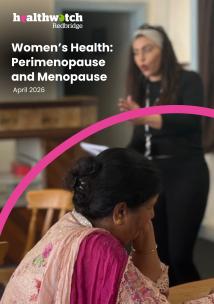
This report is built on what women actually told us. We surveyed 193 women across the borough and held in-depth interviews with 30 more, specifically seeking out voices that can be harder to reach: women with disabilities, and women from Black, Asian and other global majority communities. Their experiences sit at the heart of everything we found.
What we heard
The most consistent message across our research was that too many women are navigating perimenopause and menopause without adequate support — and that the difficulties they face are not evenly spread.
Many women described problems getting timely, informed help through their GP. Symptoms were sometimes dismissed or minimised. Continuity of care was often poor. Referral routes were unclear. And specialist services, where they existed, were not always easy to find or access.
These difficulties were felt across the board, but they were especially pronounced for disabled women and for women from Bengali, Indian, Black Caribbean and Black African communities, who faced additional barriers linked to language, cultural stigma, accessibility and a lack of information that felt relevant to their lives.
A third of survey respondents had little or no awareness of menopause before their symptoms started. Many women described entering this stage of life unprepared, having grown up in households and communities where menopause simply wasn't talked about. Cultural taboo, generational silence and embarrassment were all recurring themes in our interviews.
"Since the Davina McCall programme, I think the conversations have started," one woman told us. But for many, particularly those whose communities have been slower to have those conversations publicly, the gap between growing national awareness and lived local experience remains wide.
The impact goes beyond health
What struck us clearly in this research is how far the effects of menopause extend beyond physical symptoms. Women told us about the impact on their confidence, their relationships, their sense of identity and, significantly, their working lives.
28% of survey respondents said menopause had a significant impact on their ability to work. 18% had taken time off because of symptoms. Women described reduced performance, missed promotions, stepping back to less demanding roles and, in some cases, early retirement. Some told us that workplace policies existed on paper but didn't translate into real understanding or support.
These are not minor inconveniences. They represent a real and often invisible cost - to women, to their families, and to the local economy.
Why now matters
We are publishing this report at a moment when women's health is higher on the national agenda than it has been in some time. The government's Renewed Women's Health Strategy, published this month, acknowledges that the NHS has not listened well enough to women and makes new commitments on menopause care — including plans to bring menopause support into primary care and community settings, and to introduce menopause questions into routine NHS Health Checks.
We welcome those commitments. But national strategy only delivers change if it reaches the women who need it most at a local level. Our report shows that for many women in Redbridge, particularly those from communities where healthcare access has historically been harder, that work is far from done.
What we are asking for
Our report makes a series of recommendations aimed at local NHS services, commissioners, community organisations and employers. These include improving cultural competence in primary care, investing in community-based support, working with trusted voluntary organisations to reach women who currently miss out, and making sure women are genuine partners in designing the services they use.
We are not asking for grand gestures. We are asking for local services to take what women have told us seriously, and to build it into what happens next.
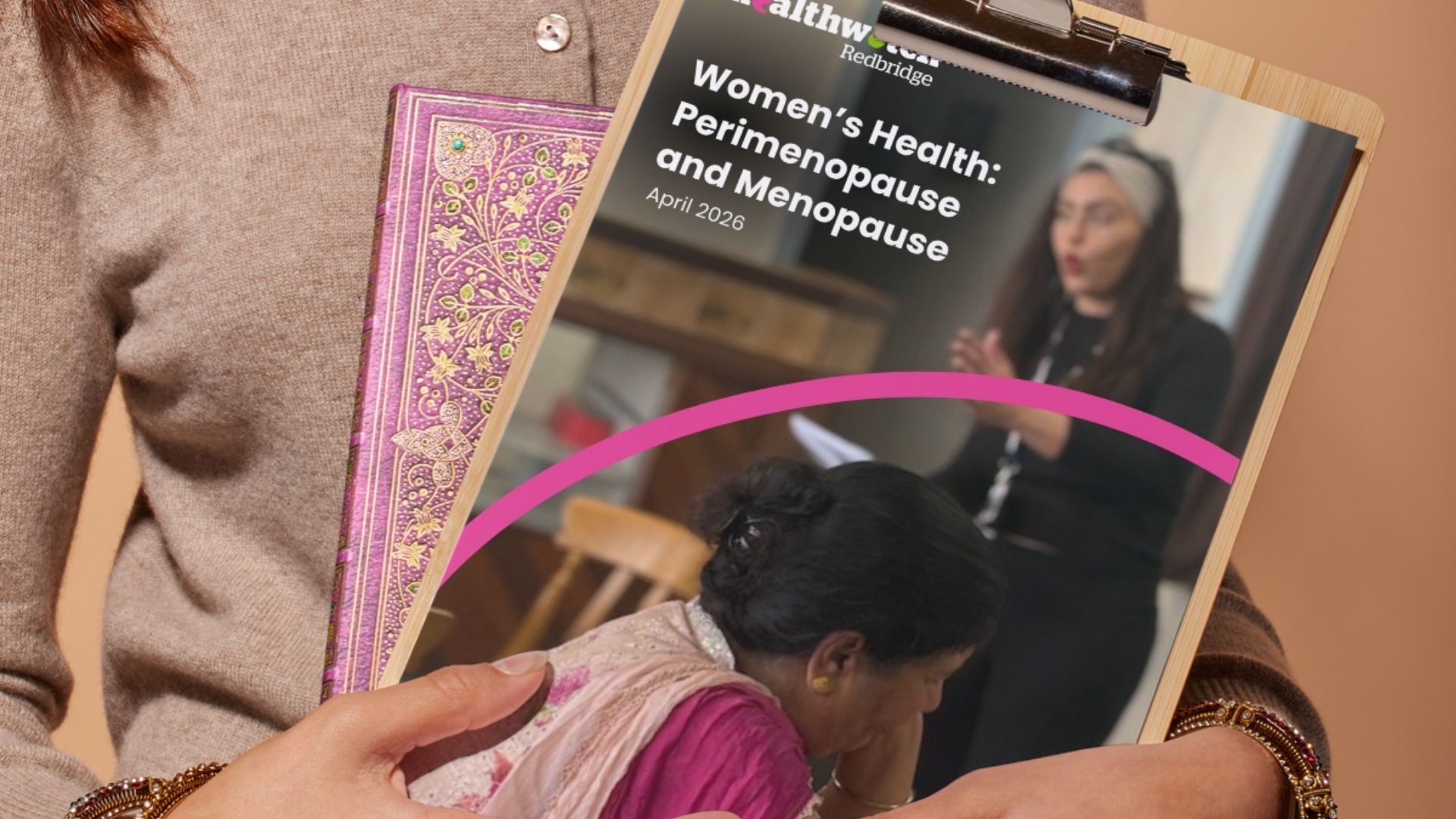
Read the full report here: